Blog
N-Back for Burnout: Train or Rest? A Safer Approach
Burnout changes attention and working memory. Learn when n-back can help, when it can backfire, and how to use a low-friction plan.
How to Stay Consistent With Brain Training (Without Burning Out)
Consistency is the real advantage. Use friction reduction, minimum sessions, and simple tracking to stay on n-back long enough to benefit.
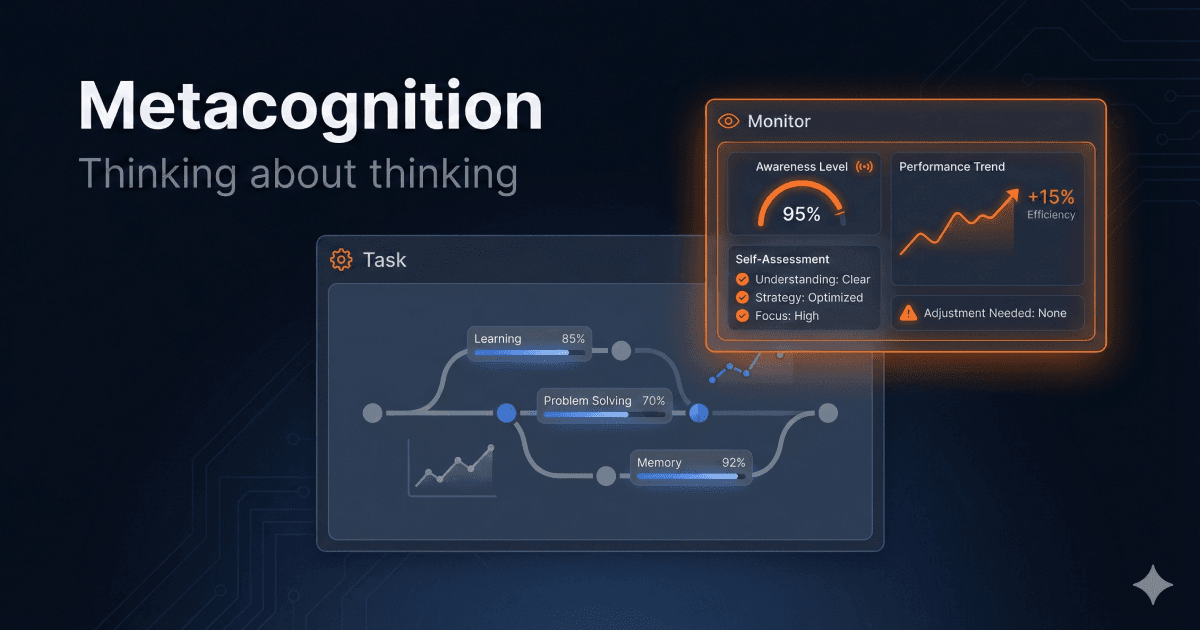
Metacognition Explained: Thinking About Your Thinking
Metacognition helps you notice confusion, calibrate confidence, and learn faster. Learn what it is and how to build it.
Mind Wandering Explained: Why Your Attention Drifts
Mind wandering is normal, but it can wreck deep work. Learn why attention drifts and how to return faster and more consistently.
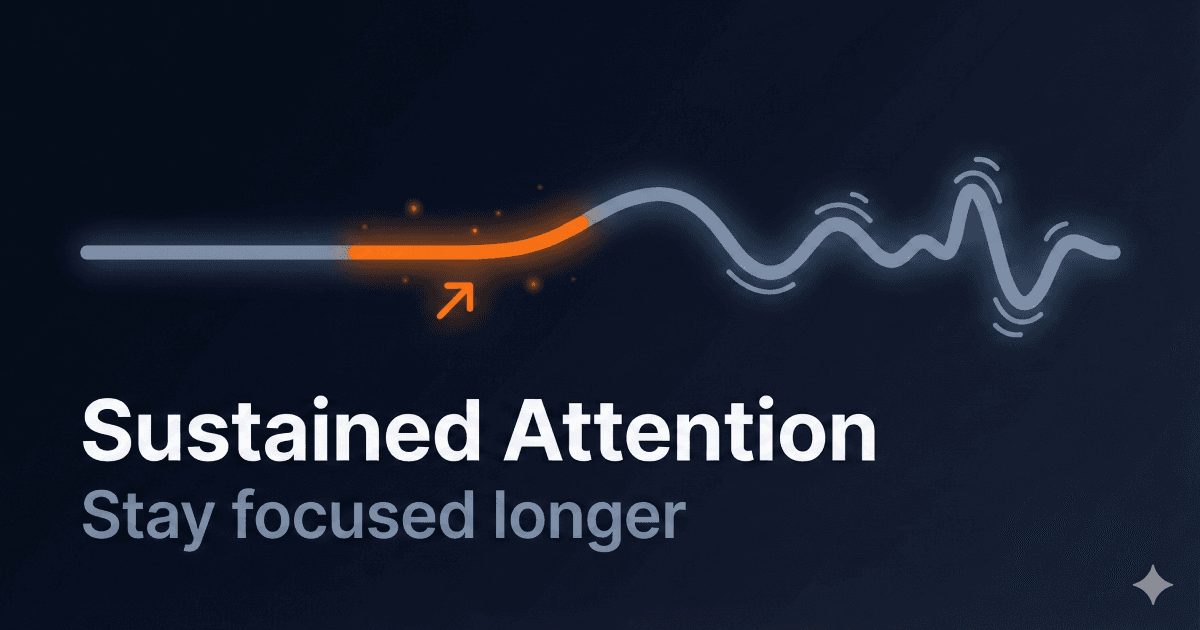
Sustained Attention Explained: How to Stay Focused Longer
Sustained attention is the ability to keep focus over time. Learn what disrupts it and how to build it with systems and training.
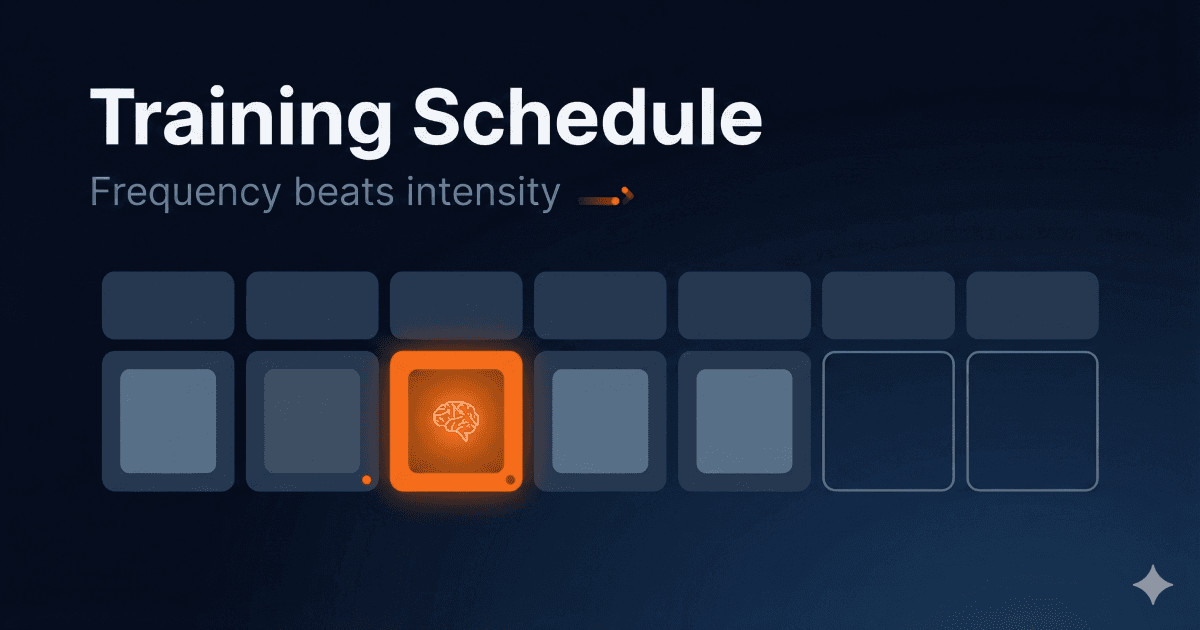
N-Back Training Schedule: How Often Should You Train?
Frequency beats intensity. Learn how many days per week to train n-back, how long sessions should be, and how to avoid burnout.
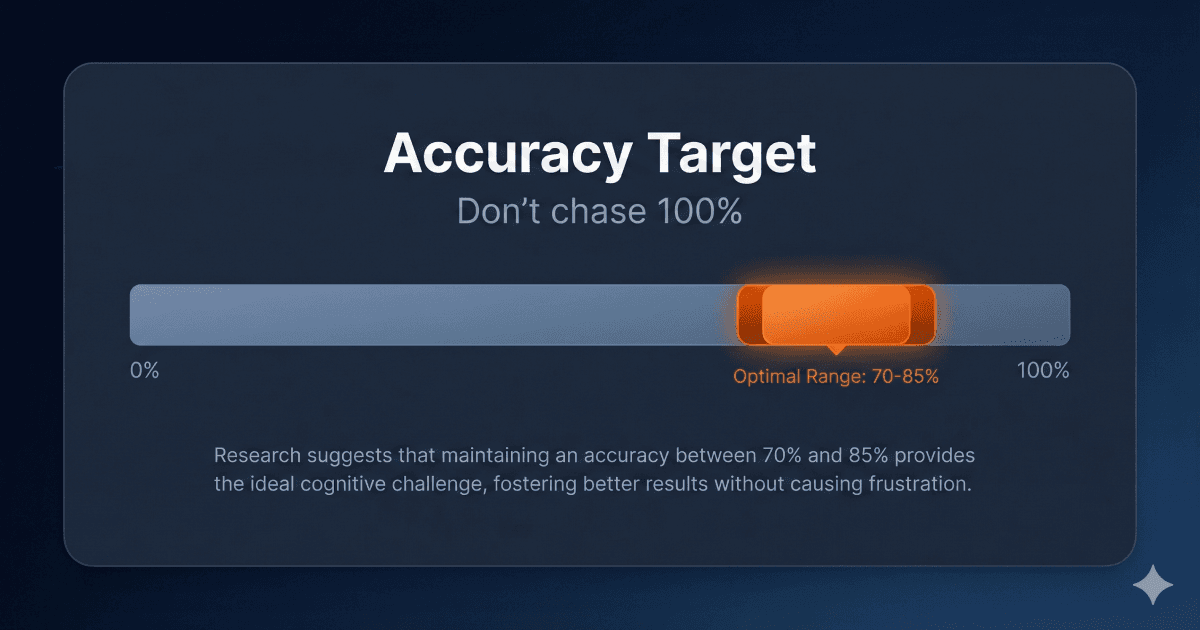
N-Back Accuracy Target: What Score Should You Aim For?
Aiming for 100% can stall learning. Use an accuracy target range to stay challenged and consistent in n-back training.
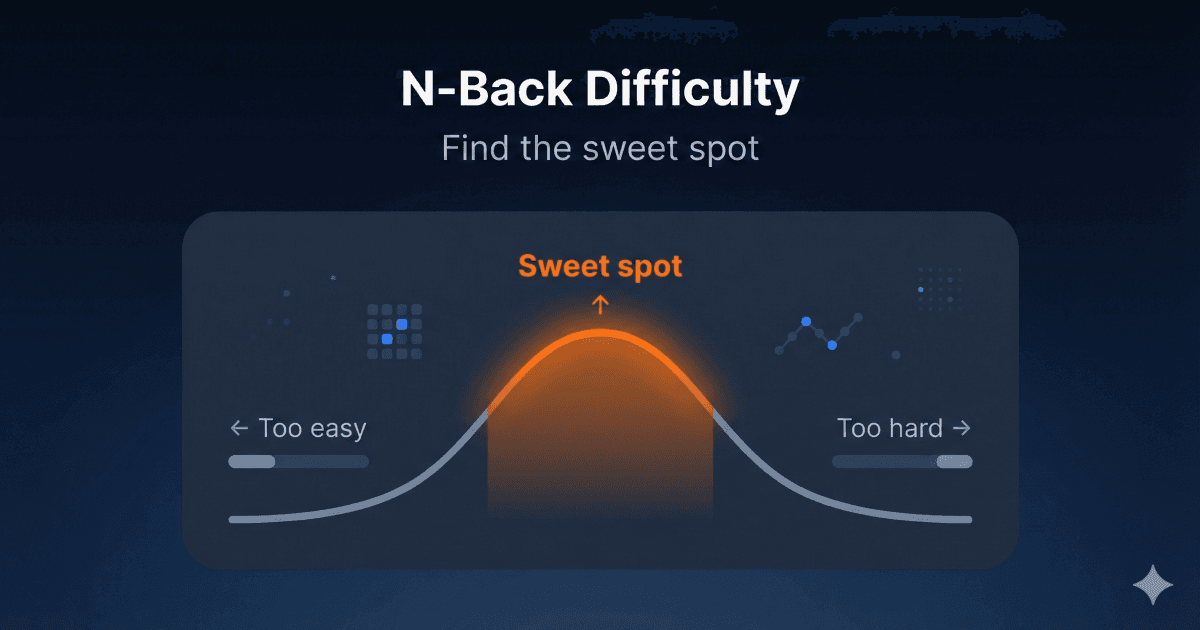
How to Set N-Back Difficulty: The Sweet Spot for Progress
If n-back is too easy you plateau; too hard and you burn out. Use accuracy targets and small adjustments to find the right level.
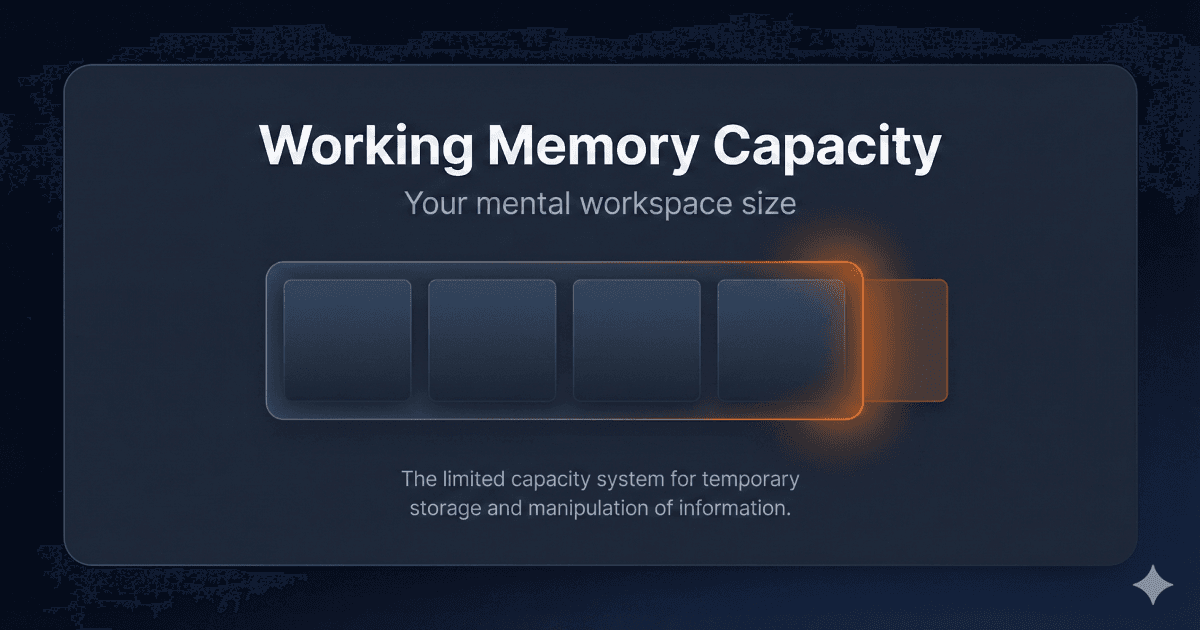
Working Memory Capacity Explained: Why You Can Only Hold So Much
Working memory capacity is the size of your mental workspace. Learn what it means, what affects it, and how to work with it.
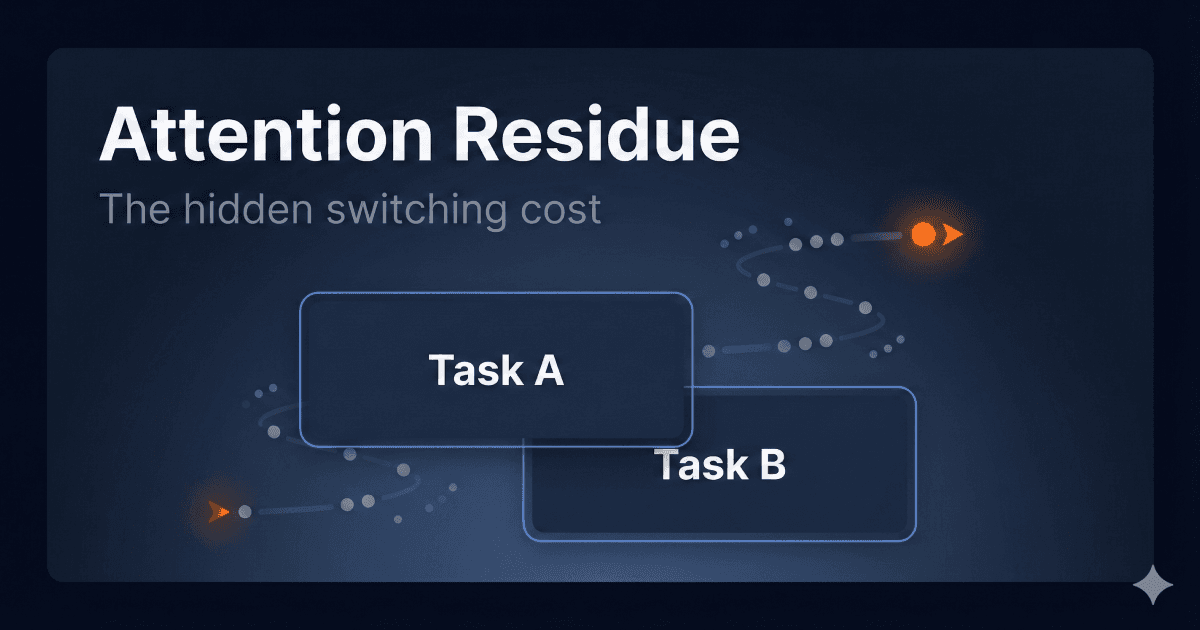
Attention Residue Explained: Why Switching Tasks Feels Mentally Sticky
Attention residue is the leftover context that makes task switching slow and error-prone. Learn what it is and how to reduce it.
How to Improve Your Attention Span (Without Gimmicks)
Attention span isn't just willpower. Use environment design, single-tasking, and cognitive load management to focus longer.
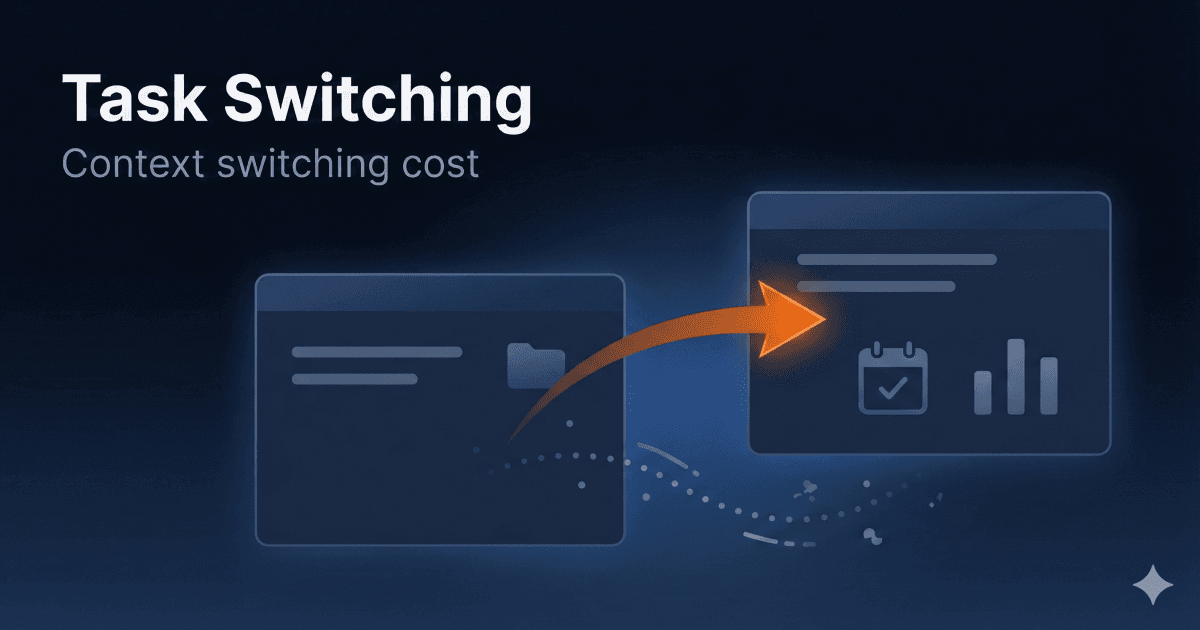
Task Switching Explained: The Real Cost of Context Switching
Switching tasks feels efficient but creates attention residue and errors. Learn what task switching is and how to reduce it.
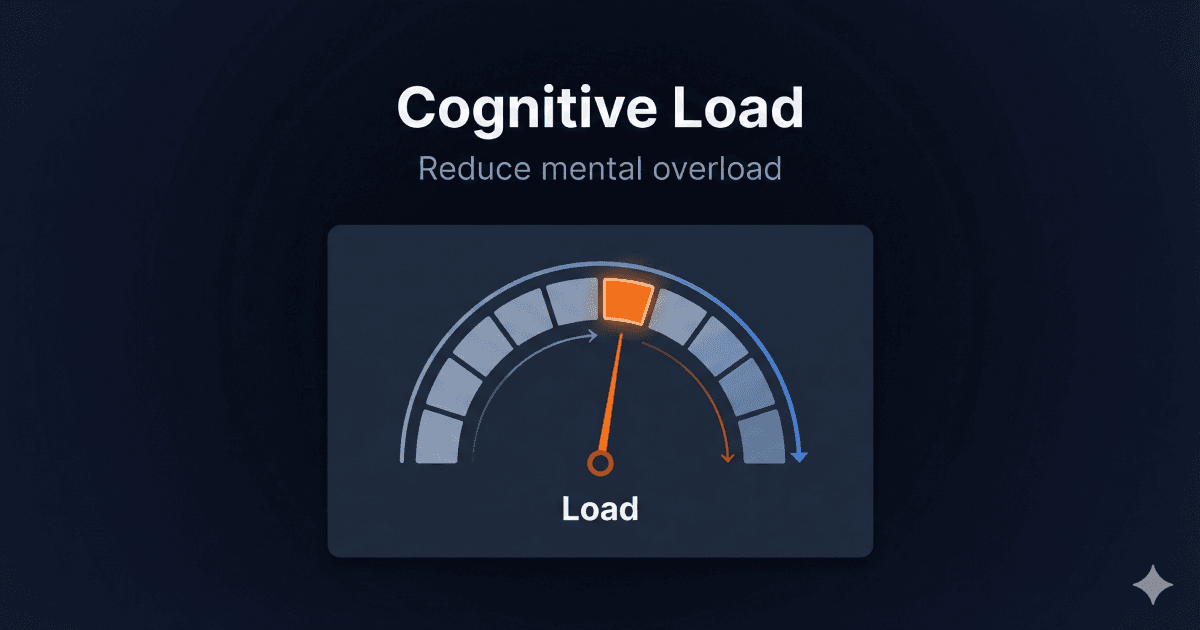
Cognitive Load Theory Explained: Why Your Brain Overheats
Cognitive load is how much your working memory is holding at once. Learn intrinsic vs extraneous load and how to reduce overload.
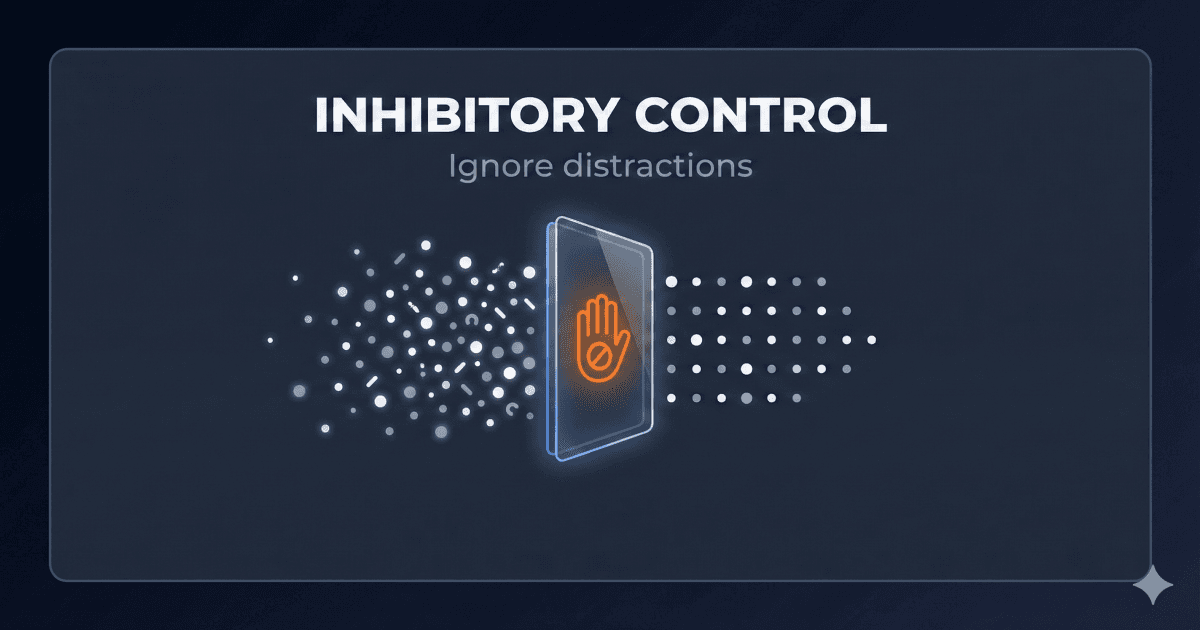
Inhibitory Control Explained: The Hidden Skill Behind Focus
Inhibitory control is the ability to stop impulses and ignore distractions. Learn why it matters, why it fails, and how to train it.
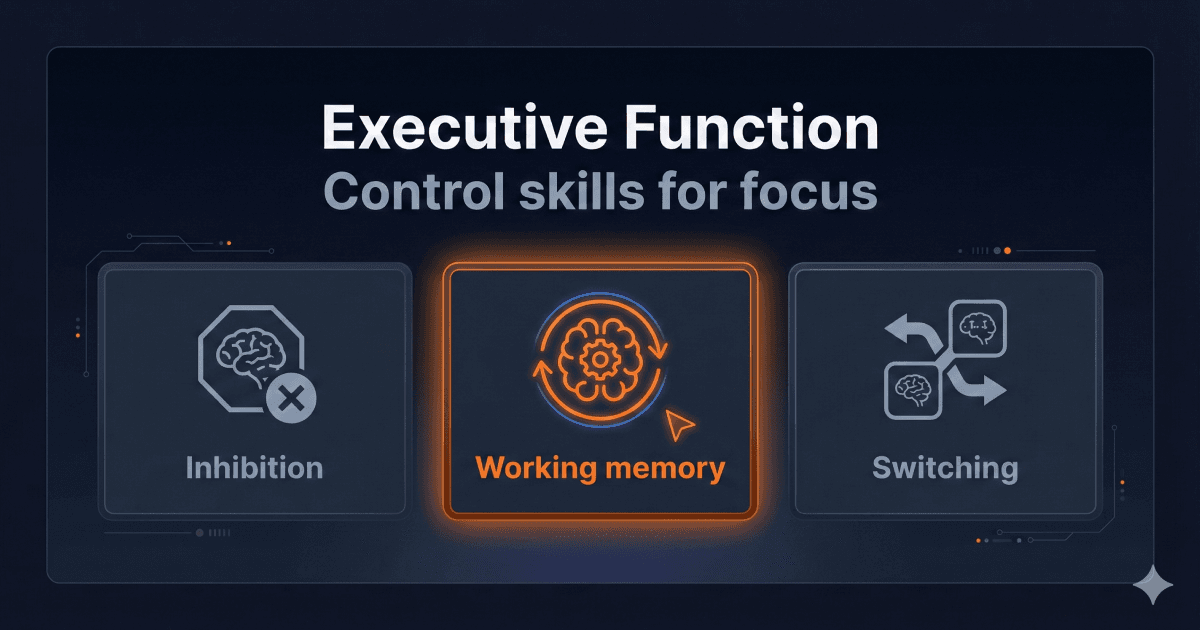
Executive Function Explained: The Skills Behind Self-Control and Focus
Executive function is the brain's control system: working memory, inhibition, and task switching. Learn what it is and how to strengthen it.
Does Brain Training Work? Transfer, Hype, and What to Expect
Most brain-training claims fail. Learn what 'transfer' means, why near-transfer is common, and what evidence supports.
Fluid Intelligence (Gf) Explained: What It Is and How It's Measured
Fluid intelligence is your ability to solve new problems. Learn what Gf means, how tests measure it, and why it matters.
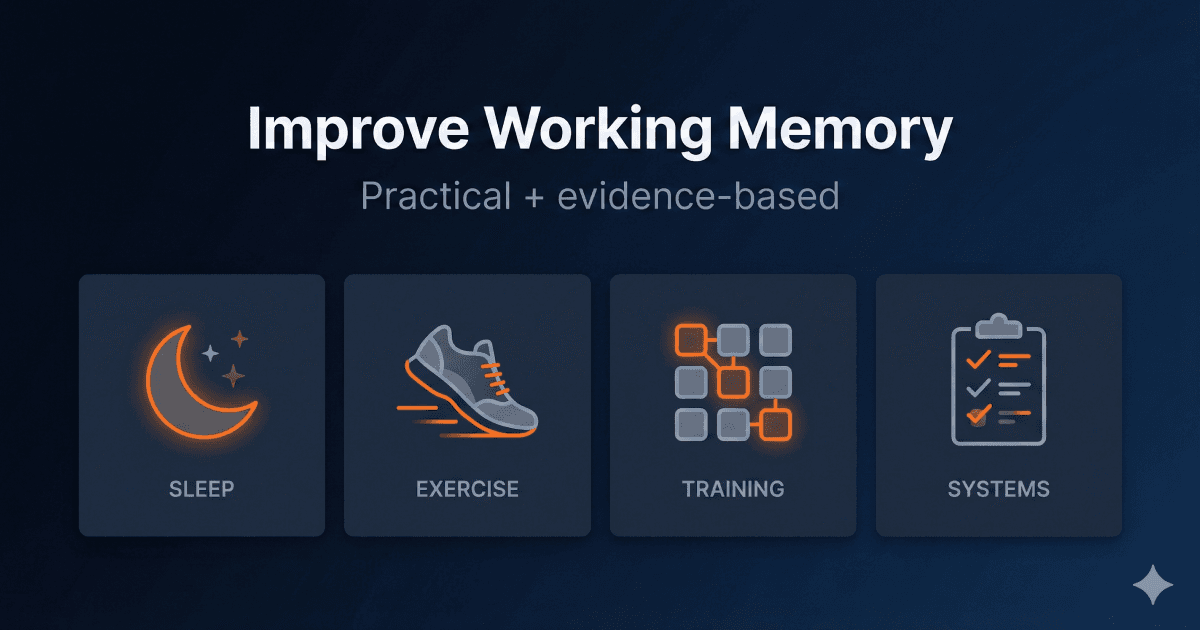
How to Improve Working Memory (Evidence-Based, Practical)
A practical guide to improving working memory: training, sleep, exercise, stress, and daily systems that reduce cognitive overload.
N-Back and Anxiety: Can Working Memory Training Help Rumination?
Anxiety can involve intrusive thoughts and attention traps. Here's how n-back may help train cognitive control, with realistic limits.
N-Back and ADHD: What Research Suggests (and What It Doesn't)
Curious about n-back for ADHD? Learn the realistic role of working memory training, what evidence supports, and safer expectations.
N-Back for Programmers: Focus Training for Deep Work and Context Switching
Programming is working-memory heavy. Use n-back to train attention control, and pair it with workflow habits for deep work.
N-Back for Students: Train Focus Without Wasting Study Time
A student-friendly n-back routine that supports attention control and working memory, plus study tactics that matter more.
Can N-Back Improve Focus? The Skill It Actually Trains
N-back doesn't magically fix attention, but it can train cognitive control under load. Here's how to use it for focus.
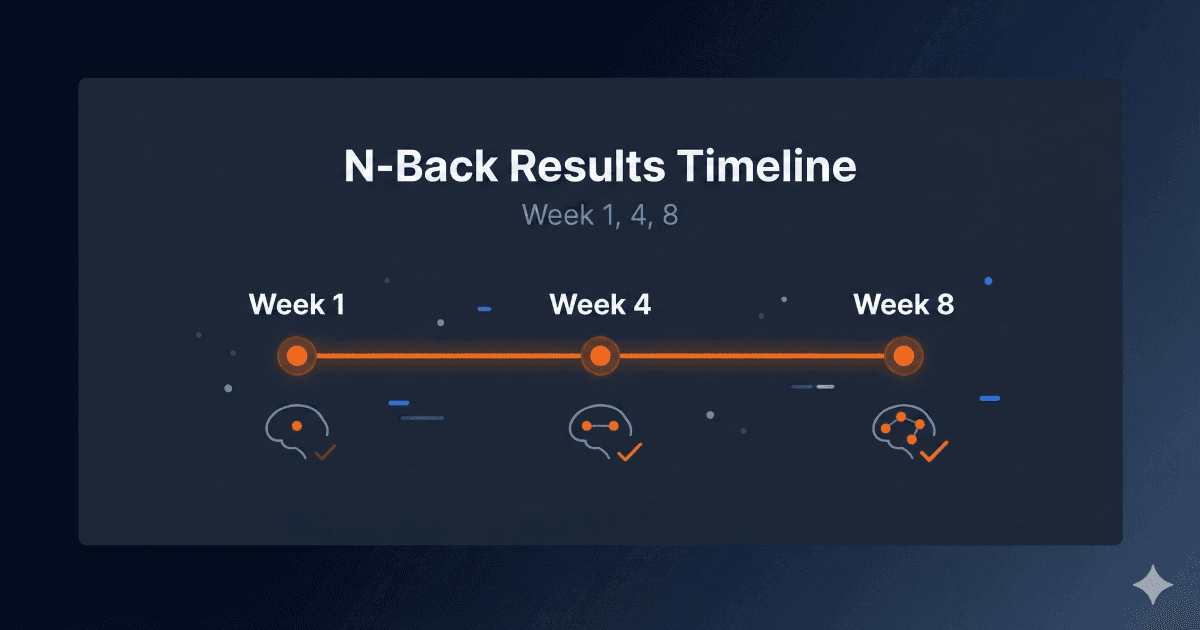
N-Back Results Timeline: What Changes After 1, 4, and 8 Weeks?
What to expect from n-back training over time: early learning effects, habit building, and realistic transfer.
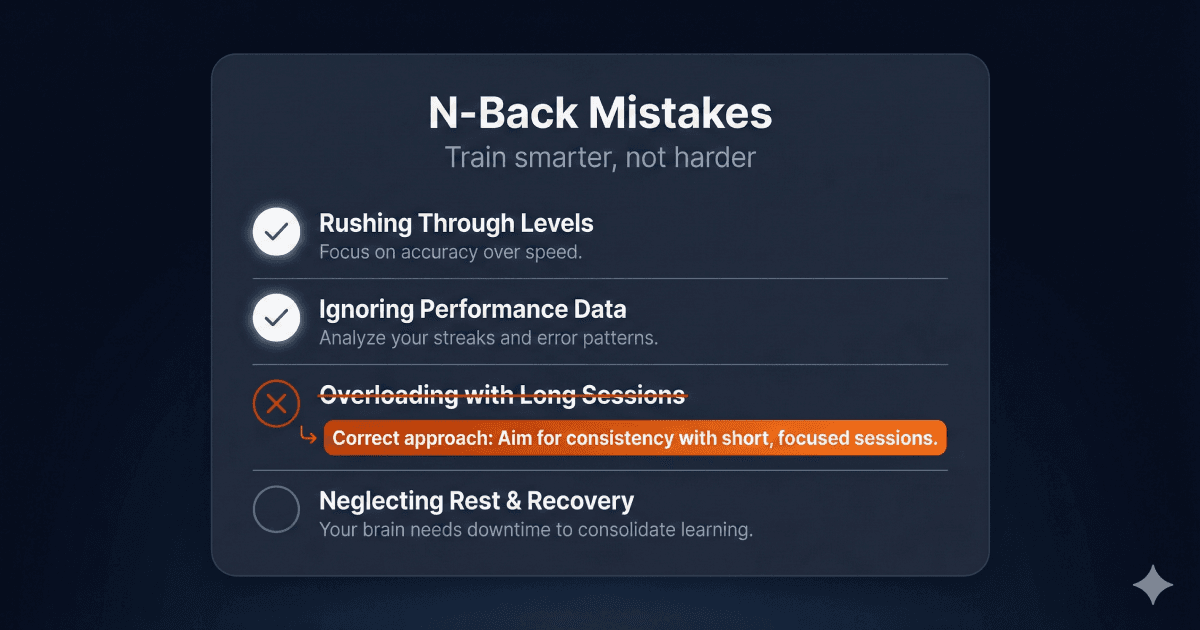
N-Back Training Mistakes That Kill Results (And How to Fix Them)
Avoid the most common n-back mistakes: overreaching difficulty, inconsistent sessions, and training while distracted.
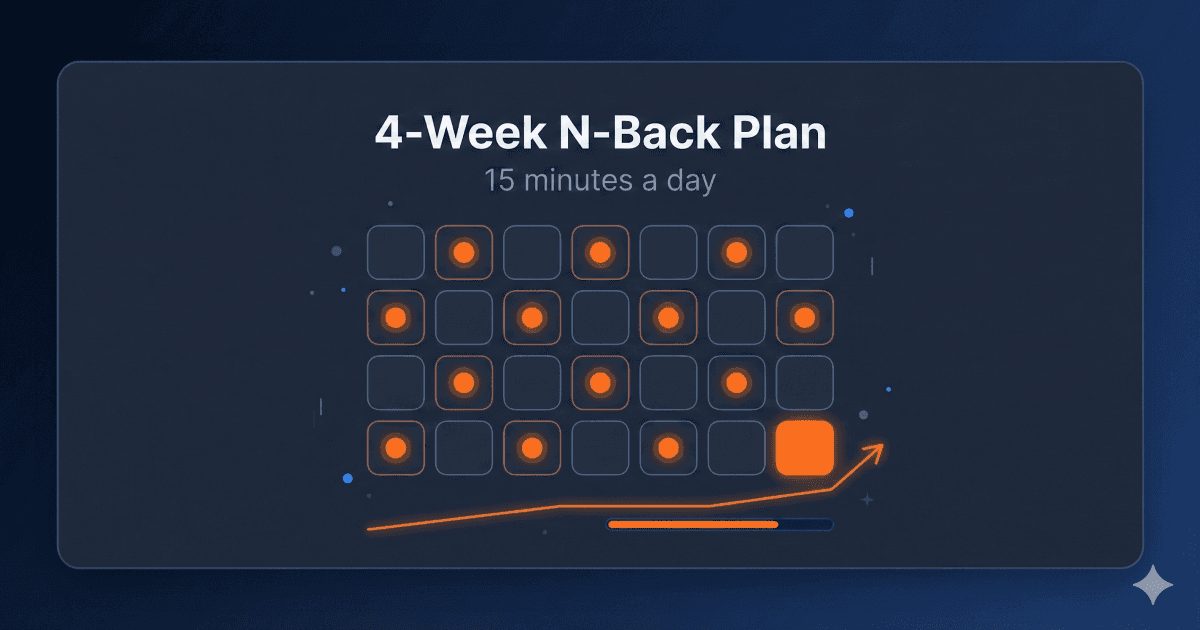
How to Train N-Back: A 4-Week Plan (15 Minutes a Day)
A practical n-back routine you can follow: frequency, progression, and how to avoid common pitfalls so you stay consistent.
Working Memory Explained: The Mental Workspace Behind Focus
Working memory is your brain's scratchpad. Learn how it affects focus and learning, and what you can do to improve it.
Does N-Back Increase IQ? What the Evidence Actually Says
A balanced look at n-back and IQ: what studies find, what meta-analyses suggest, and what expectations are realistic.
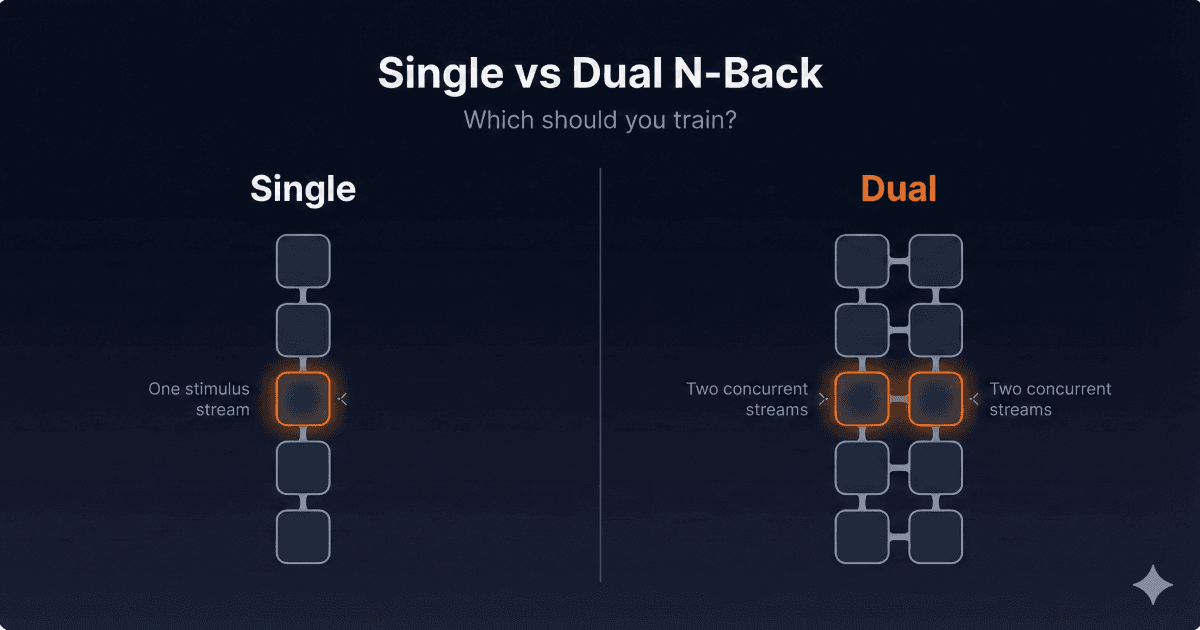
Single vs Dual N-Back: Which Should You Train?
Single or dual n-back? Learn the differences, what each one stresses, and how to choose a protocol you can stick to.
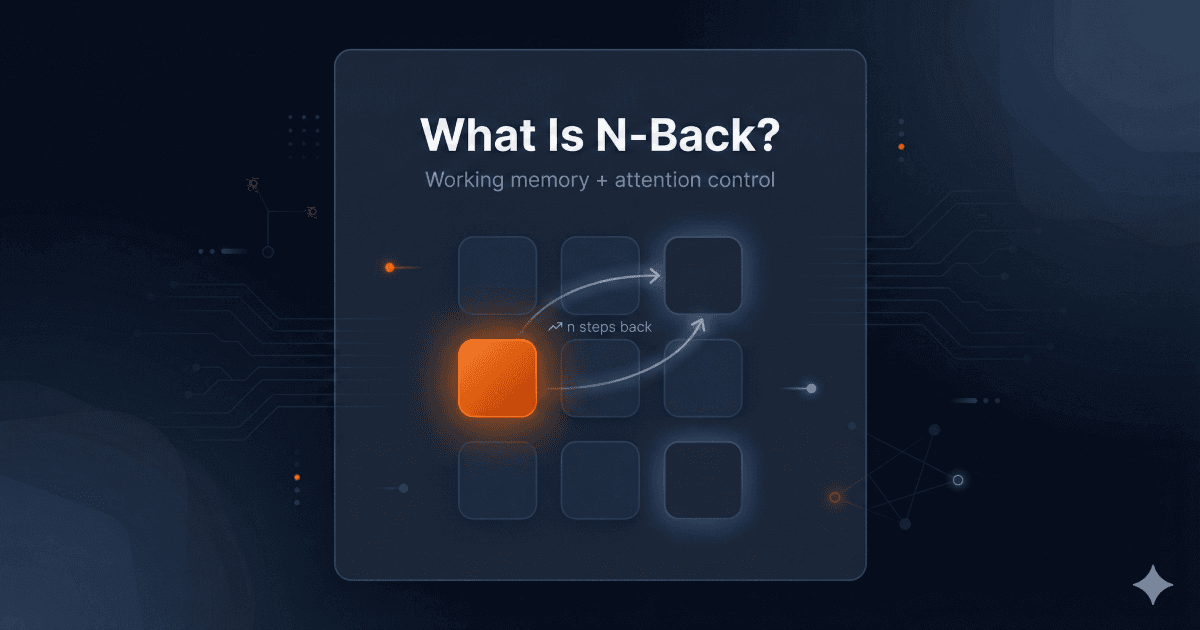
What Is the N-Back Task? A Simple, Evidence-Based Explanation
Understand the n-back task, how it works, and why researchers use it to study working memory and attention control.
Cogniba Launch: The Only Brain Training That Works
Discover how Cogniba uses the n-back task to improve working memory and IQ.

Welcome to Cogniba
Learn how Cogniba can help improve your cognitive abilities through scientifically-backed training methods.